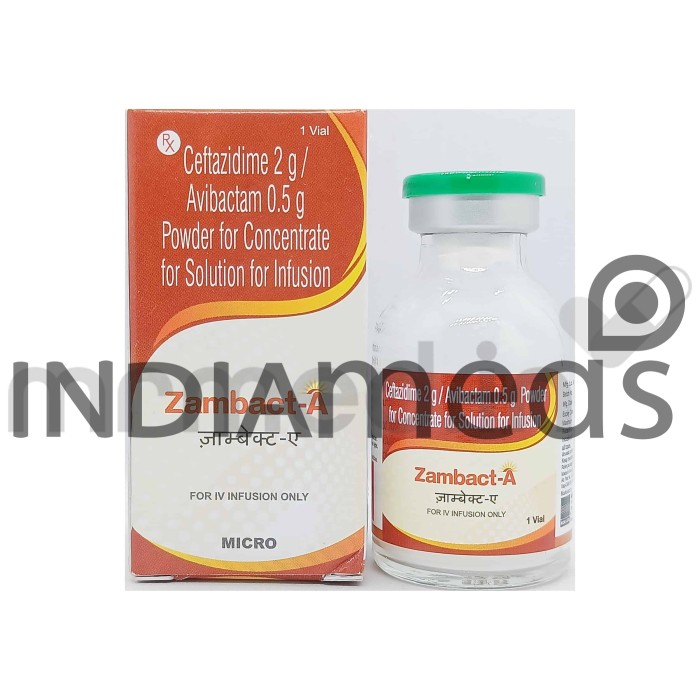
Active Ingredients:
- Ceftazidime (third-generation cephalosporin antibiotic)
- Avibactam (beta-lactamase inhibitor)
Uses:
- Pneumonia
- Urinary tract infections
- Abdominal infections
Therapeutic Effects:
- Ceftazidime inhibits bacterial cell wall synthesis.
- Avibactam protects Ceftazidime from degradation by beta-lactamase enzymes, enhancing its effectiveness.
Contraindications:
- Hypersensitivity or allergy to the drug or its components.
- Report any antibiotic allergies to your physician.
- Avoid use if you have a history of seizures or epilepsy.
Precautions:
- Use cautiously in individuals with impaired kidney function.
- Consult your doctor if you are pregnant or breastfeeding.
- Inform your doctor about all medications you are taking, including supplements and herbal products.
Storage:
- Store below 25°C.
- Keep out of reach of children and pets.
Administration:
- Do not self-administer.
- Administered as an intravenous infusion.
- Treatment duration and dosage determined by your doctor based on disease severity and other factors.
Safety Advice:
- Pregnancy: consult your doctor before starting treatment.
- Breastfeeding: consult your doctor before starting treatment.
- Lungs: consult your doctor if you have lung diseases.
- Liver: consult your doctor for advice and monitor liver functions regularly if you have liver problems.
- Alcohol: it is unknown whether consuming alcohol while taking Zambact A injection is safe. Consult your physician.
- Driving: it is unsafe to use Zambact A injection as it alters your ability to drive and operate heavy machinery.
Side Effects:
- Serious: severe allergic reactions, severe or bloody diarrhea.
- Common: fever, headache, dizziness, itching, redness or swelling at the injection site, stomach pain, nausea, vomiting, change in blood cell count, fungal infections.
Word of Advice:
- Finish the entire prescribed course, even if you feel better.
- Notify your doctor if you have allergies to cephalosporin antibiotics, penicillins, or other medications.
- Report any adverse reactions or side effects during treatment.
FAQs:
Is it necessary to follow a special diet while taking Zambact A injection? While taking Zambact A injection, drinking adequate fluids, such as water, is generally recommended to support kidney function and prevent dehydration.
Can Zambact A injection cause allergic reactions? Yes, like other antibiotics, Zambact A injection can cause allergic reactions in some individuals. If you experience symptoms such as rash, itching, swelling, severe dizziness, or difficulty breathing, seek immediate medical attention.
How is Zambact A injection administered? Zambact A injection is usually administered through intravenous (IV) infusion. The duration and dosage of treatment are based on the type and severity of the infection and the patient's specific medical condition. The administration is done in a healthcare setting, such as a hospital.
What types of infections are treated with Zambact A injection? Zambact A injection is primarily used to treat complicated urinary tract infections (cUTIs), including pyelonephritis (kidney infection) and complicated intra-abdominal infections (cIAIs). It may also treat hospital-acquired pneumonia (HAP), including ventilator-associated pneumonia (VAP).
How does Zambact A injection work? Ceftazidime is a cephalosporin antibiotic that inhibits bacterial cell wall synthesis, while Avibactam is a beta-lactamase inhibitor. Avibactam helps protect Ceftazidime from being degraded by beta-lactamase enzymes, allowing the antibiotic to kill the bacteria effectively.
Fact Box:
- Molecule name: Ceftazidime + Avibactam
- Therapeutic class: Antibiotics
- Pharmacological class:
- Ceftazidime - Third generation cephalosporins
- Avibactam - Beta-lactamase inhibitor
- Indications:
- Pneumonia
- Urinary tract infections
- Abdominal infections