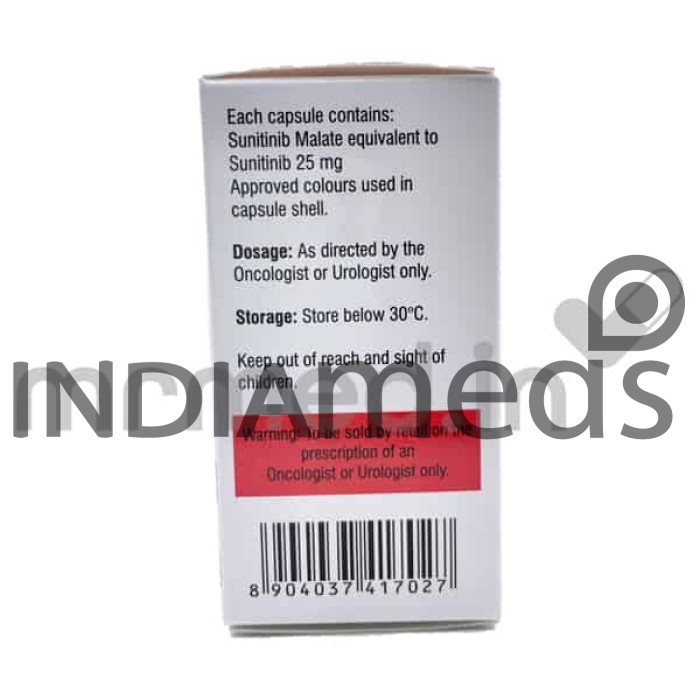
Uses of Sutinat 25mg Capsule
- Renal cell carcinoma (RCC)
- Gastrointestinal stromal tumors (GIST)
- Pancreatic neuroendocrine tumors (PNET)
- Medullary thyroid cancer
- Certain kidney cancer
Therapeutic Effects
- Slows down or stops the growth and spread of cancer cells
- Reduces the size and number of tumors
- Inhibits the activity of specific proteins known as tyrosine kinases
Interaction with Other Drugs
- Inform your healthcare provider about all the medicines you take
- Certain medications may interact with Sutinat 25mg Capsule and reduce effectiveness or cause undesirable side effects
Safety Advice
- Pregnancy: not recommended due to potential harm to the fetus
- Breastfeeding: discuss potential risks and benefits with healthcare provider
- Lungs: can cause interstitial lung disease, monitor for symptoms
- Liver: can cause liver toxicity, regular liver function tests required
- Alcohol: avoid consuming alcohol during treatment
- Driving: avoid driving or operating machinery if experiencing side effects such as fatigue, dizziness, or blurred vision
Side Effects
Serious:
- Heart failure or heart attack
- Elevated liver function tests
- Liver failure
- Proteinuria
- Acute kidney injury
- Interstitial lung disease
- Pulmonary arterial hypertension
- Gastrointestinal perforation or fistula
- Haemorrhage
- Hypothyroidism
- Hypoglycemia
Common:
- Fatigue
- Nausea and vomiting
- Diarrhoea
- Loss of appetite
- Hand-foot syndrome
- Skin discoloration or rash
- High blood pressure
- Headache
- Hair loss
- Changes in taste
- Dry skin or itching
- Nosebleeds
Word of Advice
- Follow your healthcare provider's instructions
- Avoid taking grapefruit or grapefruit juice
- Use a reliable method of birth control while taking the medication and for at least four weeks after the last dose
- Report any symptoms or changes in health
FAQs
Q 1. Can Sutinat 25mg Capsule cause changes in skin color? Yes, Sutinat 25mg Capsule can cause changes in skin color. One common side effect is called "hand-foot syndrome," which can cause redness, swelling, and pain in the palms of the hands and soles of the feet. This syndrome can sometimes cause the skin to darken or become thickened in these areas. Additionally, this medication can cause other skin changes, such as rashes and discoloration.
Q 2. Can Sutinat 25mg Capsules cause heart problems? Yes, Sutinat 25mg Capsules can cause heart problems such as high blood pressure, heart failure, and heart attack. Patients taking this medication should be closely monitored by their healthcare provider for any signs of heart problems and may need to undergo regular heart function tests.
Q 3. Can Sutinat 25mg Capsule cause kidney problems? Yes, Sutinat 25mg Capsules can cause kidney problems such as proteinuria (excess protein in the urine) and renal impairment. Patients taking this medication require regular monitoring of kidney function and need to adjust the dosage or switch to a different medication if these side effects occur or persist.
Q 4. Can I take Sutinat 25mg Capsule if I have a thyroid problem? Yes, but your healthcare provider will monitor your thyroid function regularly. Sutinat 25mg Capsules can affect the thyroid gland, causing hypothyroidism (an underactive thyroid gland) or hyperthyroidism (an overactive thyroid gland). Therefore, your healthcare provider will check thyroid hormone levels in blood before starting treatment and periodically during treatment.
Q 5. Can Sutinat 25mg Capsule affect fertility? Yes, Sutinat 25mg Capsules can affect fertility in both men and women. Patients taking this medication should discuss the potential risks and options for preserving fertility with their healthcare provider before starting treatment.
Q 6. How can Sutinat 25mg Capsule affect my blood? Sutinat 25mg Capsules can cause hematologic toxicity, which may include neutropenia (low white blood cell count), thrombocytopenia (low platelet count), and anemia (low red blood cell count). These changes can increase the risk of infection, bleeding, and fatigue.
Fact Box
- Molecule name: Sunitinib
- Therapeutic class: Anticancer
- Pharmacological class: Tyrosine kinase inhibitor
- Indications:
- Renal cell carcinoma (RCC)
- Gastrointestinal stromal tumors (GIST)
- Pancreatic neuroendocrine tumors (PNET)
- Medullary thyroid cancer
- Certain kidney cancer