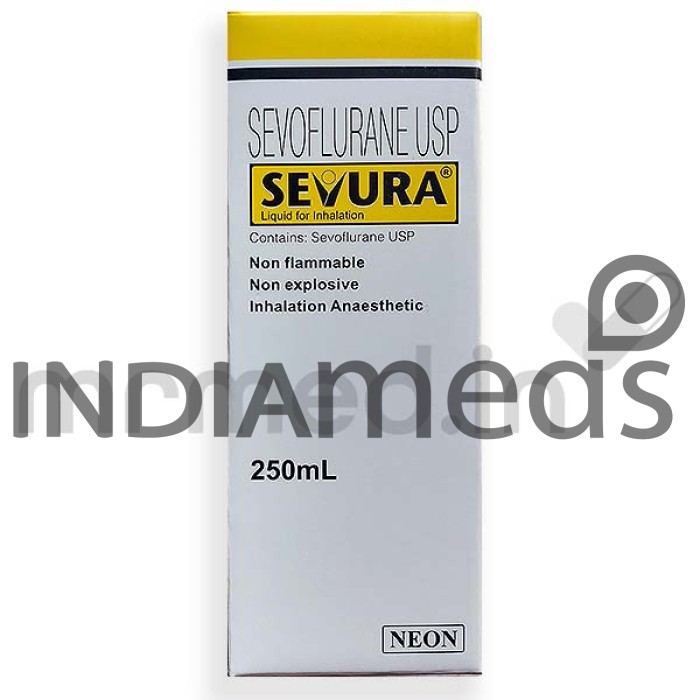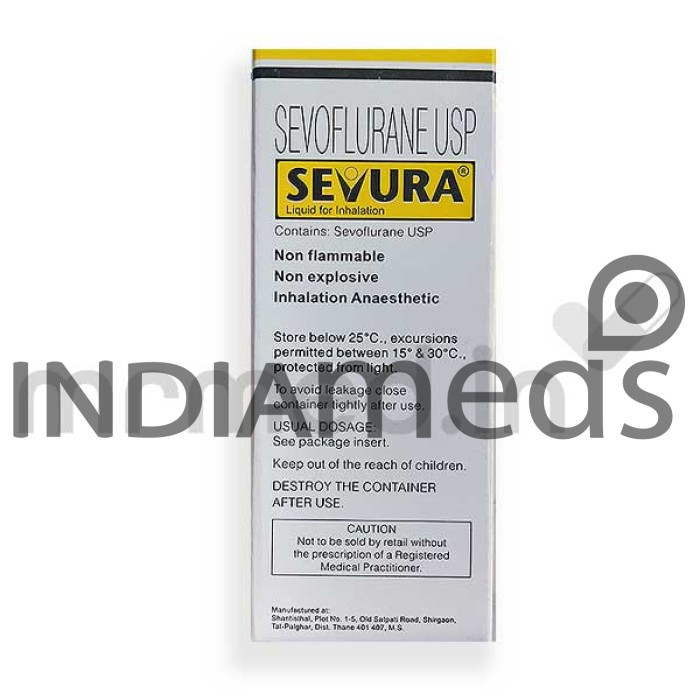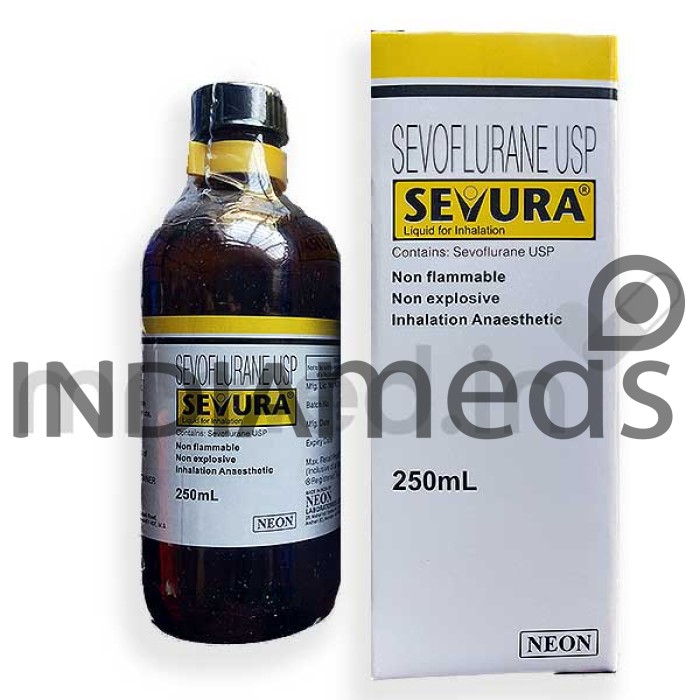
Common: Nausea and vomiting, headache, dizziness, shivering.
Word of Advice:
Inform your healthcare provider about any pre-existing medical conditions, allergies, or medications you are taking.
Discuss any concerns or questions with your healthcare team.
FAQs:
Are there any special considerations when using Sevura Inhaler in pediatric patients?
Sevura Inhaler is commonly used in pediatric anesthesia, but there are rare reports of postoperative agitation, delirium, and behavioral changes in children. Healthcare professionals will closely monitor pediatric patients and provide appropriate care.
Is it safe to use Sevura Inhaler in elderly patients?
Sevura Inhaler can be used in elderly patients; however, advanced age may be associated with increased anesthetic sensitivity. Healthcare professionals will carefully assess the patient's overall health, comorbidities, and physiological changes related to aging to determine the appropriate dosage and closely monitor the patient during anesthesia.
Can Sevura Inhaler cause postoperative cognitive dysfunction (POCD)?
The risk of POCD, a temporary decline in cognitive function following surgery and anesthesia, can exist with any general anesthesia. However, the specific role of Sevura Inhaler in causing POCD is not well-established. Ongoing research aims to understand better the factors contributing to POCD and develop strategies to minimize its occurrence.
Does Sevura Inhaler have any effect on fertility or reproductive health?
There is currently no evidence to suggest that Sevura Inhaler harms fertility or reproductive health in men or women. However, as with any medical intervention, discussing any concerns with healthcare professionals is essential to ensure a comprehensive understanding of potential effects.
Can Sevura Inhaler be used in patients with a substance abuse or addiction history?
Patients with a history of substance abuse or addiction, including alcohol or illicit drugs, should be cautious when using Sevura Inhaler. This combination may increase sedation and respiratory depression. Healthcare providers should be informed about substance abuse history to make informed decisions and adjust anesthesia management accordingly.
What are the common side effects of Sevura Inhaler?
Common side effects of Sevura Inhaler can include nausea, vomiting, headache, dizziness, and shivering. These effects are generally mild and temporary.
Fact Box:
Molecule name: Sevoflurane
Therapeutic class: Anesthesia
Pharmacological class: General Anesthesia
Indications: Produce unconsciousness for surgical procedures