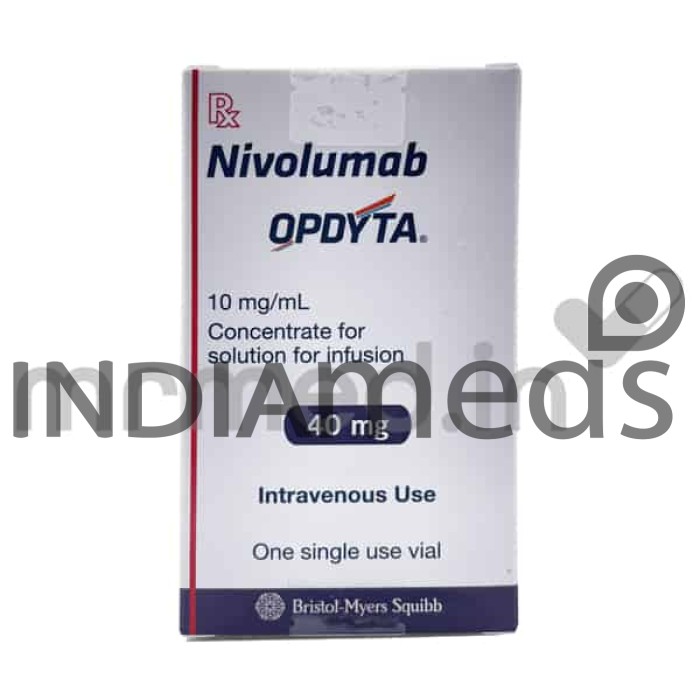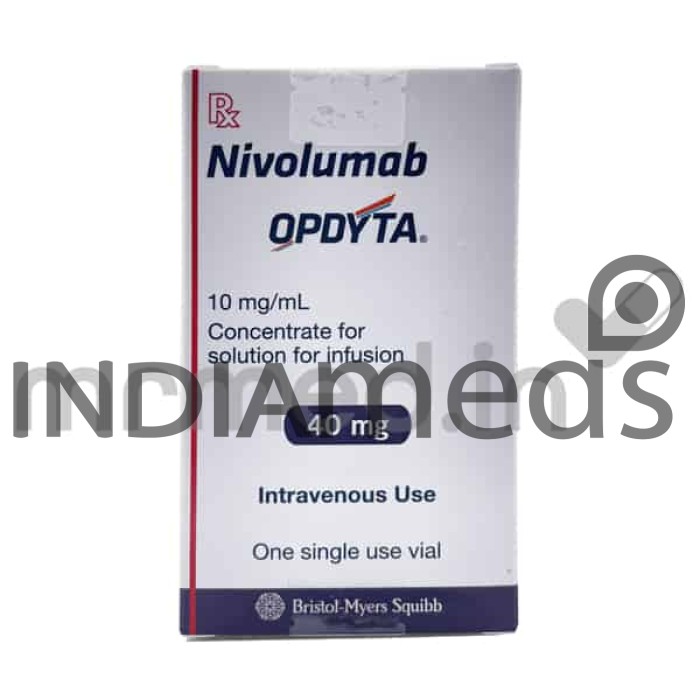
Enhances the body's natural immune response to cancer cells;
Blocks the interaction between a protein called programmed death-1 (PD-1) and its corresponding ligands, enabling the immune system to recognize and attack cancer cells more effectively.
Administration:
Administered by a healthcare professional;
Typically given as an intravenous (IV) injection;
The infusion usually takes several hours;
Dosage and frequency depend on the condition being treated and individual circumstances.
Contraindications:
Severe allergic reaction to the drug or its components;
Certain autoimmune disorders, such as lupus or rheumatoid arthritis;
History of organ transplants.
Precautions:
Inform your healthcare provider about all the medicines you take;
Protect the drug from light and do not freeze;
Unused portion of the opened vial or syringe should be discarded;
Keep out of reach from children and pets.
Safety advice:
Pregnancy: unsafe for a developing foetus;
Breastfeeding: discuss the potential risks and benefits with a healthcare provider;
Lungs: use cautiously in individuals with lung disease;
Liver: use cautiously in individuals with liver disease;
Alcohol: no known interactions, but it is generally recommended to avoid consuming alcohol while being treated for a medical condition;
Driving: avoid driving or operating machinery if experiencing side effects such as fatigue, dizziness, or blurred vision.
Common: fatigue, nausea, skin rash, itching, loss of appetite, diarrhea, constipation, joint pain, headache.
FAQs:
Q 1. Can Opdyta 40mg Injection cause skin reactions?
Some patients receiving Opdyta 40mg Injection may experience skin reactions such as rash, itching, or blistering. These side effects should be reported to a healthcare provider as they may require treatment.
Q 2. Can Opdyta 40mg Injection cause infertility?
There is limited data on the long-term effects of Opdyta 40mg Injection on fertility. However, the medication may impact fertility in some patients, particularly those receiving high doses or long-term treatment. Patients concerned about their fertility should discuss their options with a healthcare provider.
Q 3. Can Opdyta 40mg Injection cause diabetes?
Opdyta 40mg Injection may cause changes in blood sugar levels, leading to diabetes in some patients. Patients should be monitored closely for changes in their blood sugar levels during treatment.
Q 4. Can Opdyta 40mg Injection be used in children?
Opdyta 40mg Injection is not currently approved for use in children. However, some clinical trials are underway to evaluate the safety and effectiveness of the medication in pediatric patients.
Q 5. How does Opdyta 40mg Injection compare to other immunotherapy medications?
Opdyta 40mg Injection is one of several immunotherapy medications that are used to treat cancer. The specific medication used may depend on several factors, including the type and stage of the cancer being treated and the patient's response to treatment. Patients should discuss their options with a healthcare provider to determine the best treatment plan for their situation.
Q 6. How is Opdyta 40mg Injection different from chemotherapy?
Opdyta 40mg Injection is an immunotherapy that enhances the body's natural immune response to cancer cells. Chemotherapy, on the other hand, works by killing cancer cells directly. While both treatments may be used in combination for some types of cancer, they work in different ways and may have different side effects.
Q 7. How often are patients monitored during Opdyta 40mg Injection treatment?
Patients receiving Opdyta 40mg Injection treatment will typically be monitored closely for any signs of adverse reactions or changes in their cancer status. This may include regular blood tests, imaging studies, and physical exams.