





Popular
 0
0
Popular
 0
0
Popular
 0
0
Popular
 0
0
Popular
 0
0
Popular
-228x228-product_list.jpg "Hepsure Sachet 8gm") 0
0
Popular
 0
0
Popular
 0
0
Popular
 0
0
Popular
 0
0
Popular
 0
0
Popular
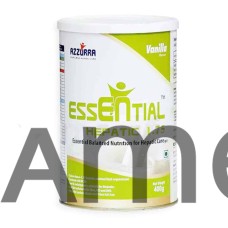 0
0
Popular
 0
0
Popular
 0
0
Popular
 0
0
Popular
 0
0
Popular
-228x228-product_list.jpg "Udiliv 150mg Tablet") 0
0
Popular
 0
0
Popular
-228x228-product_list.jpg "Udiliv 450mg Tablet") 0
0
Popular
-228x228-product_list.png "Sedogest 300mg Tablet") 0
0
Popular
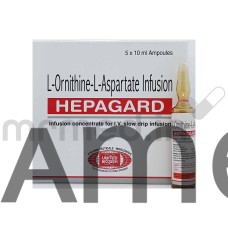 0
0
Popular
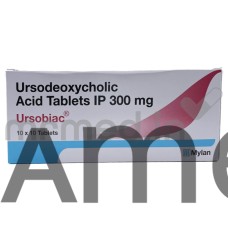 0
0
Popular
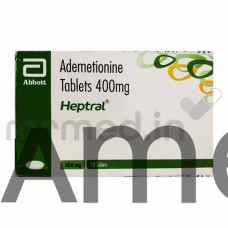 0
0
Popular
 0
0
Liver disease refers to a range of conditions that affect the liver, impacting its ability to perform vital functions such as detoxification, protein synthesis, and bile production. Early detection and appropriate treatment are crucial for managing liver disease and preventing complications.
Symptoms
- Fatigue
- Nausea and vomiting
- Abdominal pain
- Dark urine
- Pale stool
- Jaundice (yellowing of the skin and eyes)
Causes
- Viral infections (e.g., hepatitis B, hepatitis C)
- Alcohol-related liver disease
- Non-alcoholic fatty liver disease (NAFLD)
- Autoimmune diseases (e.g., autoimmune hepatitis)
- Genetic disorders (e.g., hemochromatosis)
- Medication side effects
Diagnosis
- Blood tests (e.g., liver function tests)
- Imaging studies (e.g., ultrasound, CT scan, MRI)
- Biopsy
- Medical history and physical examination
Treatment
- Lifestyle changes (e.g., diet, exercise, avoiding alcohol)
- Medications (e.g., antiviral drugs, immunosuppressants)
- Liver transplantation (in severe cases)
- Monitoring and regular check-ups
Prevention
- Limiting alcohol consumption
- Maintaining a healthy weight
- Getting vaccinated against hepatitis
- Managing underlying conditions (e.g., diabetes, high cholesterol)
- Avoiding exposure to toxins