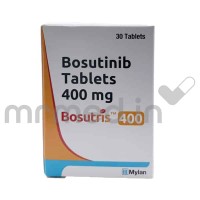
Uses:
- Treatment of Philadelphia chromosome-positive chronic myeloid leukemia (Ph-positive CML) in adults and pediatric patients, including those newly diagnosed and those experiencing side effects from previous treatment.
- Used in patients no longer responding to previous treatment, including Imatinib.
Therapeutic Effects:
- BCR-ABL tyrosine kinase is responsible for uncontrolled cell division in CML.
- Knilonat 200mg capsule disrupts the signaling route of the protein kinase enzyme, targeting the BCR-ABL protein and inhibiting the growth and spread of cancer cells.
Interaction with Other Drugs:
- Inform your healthcare professional about all medications you take, including prescriptions, over-the-counter drugs, nutritional supplements, and herbal products.
- Certain medications, such as antiarrhythmics, chloroquine, Titonavir, Carbamazepine, and others, may interact with Knilonat 200mg capsule, reducing its effectiveness or causing undesirable side effects.
Safety Advice:
- Pregnancy: Knilonat 200mg capsule is unsafe to use during pregnancy unless necessary. Consult your doctor if you are pregnant or planning to become pregnant.
- Breastfeeding: Taking Knilonat 200mg capsule while breastfeeding may be unsafe. Consult your doctor for more information.
- Lungs: Patients with lung conditions should consult their doctor before starting treatment.
- Liver: Inform your physician if you have liver problems. Knilonat 200mg capsule should be used cautiously with this condition.
- Alcohol: It is unknown whether consuming alcohol while taking Knilonat 200mg capsule is safe. Consult your physician.
- Driving: It is unsafe to drive or use machines while taking Knilonat 200mg capsule, as it may cause nausea, changes in vision, vomiting, etc.
Side Effects:
- Serious: Sudden weight gain, swelling in hands, feet, ankles, or face, chest pain, blood pressure changes, discoloration of tongue, lips, or skin (blue), abnormal heart rhythm, hair loss, vision problems, stomach pain, vomiting of blood, blood in stools, yellowing of the skin, eyes, and dark urine, high blood sugar levels, sensitivity to light.
- Common: Nausea, vomiting, diarrhea, headache, muscle pain, stomach pain, hair loss, tiredness, constipation, slowing of growth in children, pneumonia, loss of appetite, sleeplessness, depression, anxiety, stomach discomforts like bloating and flatulence after meals, musculoskeletal pain.
Word of Advice:
- Based on your condition, your doctor may prescribe a lower dose.
- Knilonat 200mg capsule can be used by people aged 65 years and over with the same dose as other adults.
- Inform your physician if you have kidney problems.
- Some children and adolescents taking this medicine may have slower than normal growth.
- Report to your doctor if you have had a history of heart failure or hepatitis infection.
FAQs:
Q 1. Can Knilonat 200mg capsule cause liver damage? Knilonat 200mg capsule may cause liver function abnormalities, which may indicate liver damage. Regular blood tests are necessary to monitor liver function.
Q 2. How does Knilonat 200mg capsule differ from other medications used to treat chronic myeloid leukemia, such as Imatinib? Knilonat 200mg capsule is more selective for the BCR-ABL protein and more potent in inhibiting its activity. It is effective in patients who have developed resistance to Imatinib.
Q 3. What are the potential long-term effects of Knilonat 200mg capsule on the body? Potential long-term effects include cardiovascular events, liver dysfunction, pancreatic enzyme elevation, and fluid retention. These side effects are generally rare but can occur in some patients.
Q 4. How to monitor the effects of Knilonat 200mg capsule over the course of treatment? Monitoring includes regular blood tests, electrocardiograms, and imaging studies to assess liver and kidney function, blood counts, electrolyte levels, heart rhythm and function, and other parameters.
Q 5. Who should not take Knilonat 200mg capsule? Knilonat 200mg capsule should not be taken by pregnant or breastfeeding women, or by people with certain medical conditions such as severe liver or kidney disease, a history of pancreatitis, or a prolonged QT interval.
Fact Box:
- Molecule name: Nilotinib
- Therapeutic class: Antineoplastic drug
- Pharmacological class: Tyrosine Kinase inhibitors
- Indications: Blood cancer (Philadelphia chromosome-positive chronic myeloid leukemia) in adults and pediatrics.