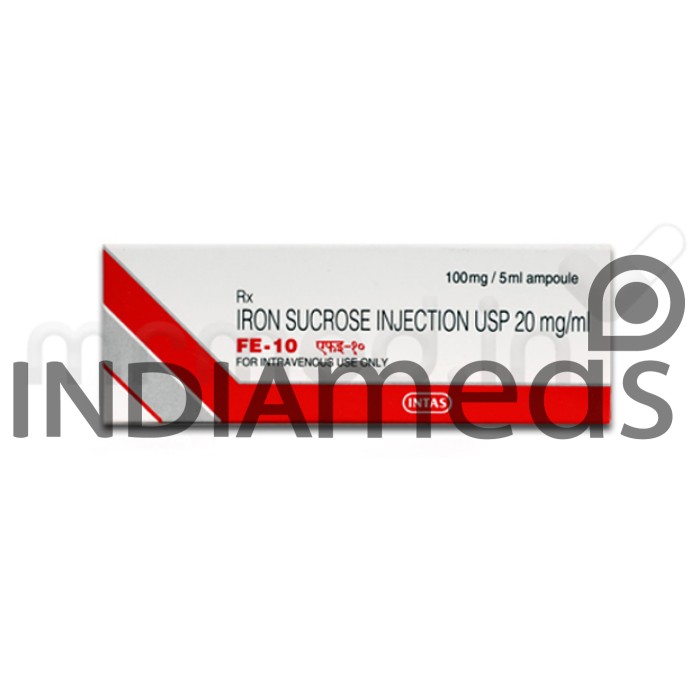
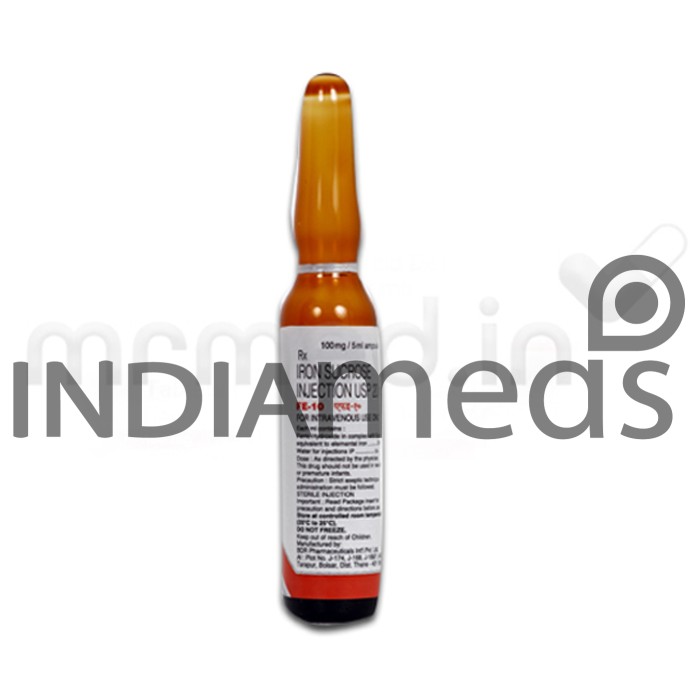
Uses of FE 10 Injection
- Treatment of iron-deficiency anemia
- Treatment of menstrual bleeding
- Correction of nutritional deficiencies
- Supplementation in poor iron absorption
Therapeutic Effects
FE 10 Injection supplements work by replenishing the body's iron stores to combat iron deficiency. When an individual takes an iron supplement, the iron is absorbed in the small intestine and becomes available for various vital functions.
Interaction with Other Drugs
Inform the doctor about your medicines, including prescription, over-the-counter, nutritional or vitamin supplements, and herbal products. Certain medications may interact with FE 10 Injection, reducing effectiveness or causing undesirable side effects.
Storage
- Stored at room temperature from 20°C to 25°C
- Keep away from moisture, heat, and light
- Do not freeze
- Keep away from children and pets
Administration
FE 10 Injection can be administered via injection by healthcare providers in a healthcare setting. The dose depends on the severity of the iron deficiency, the underlying condition, and the patient's ability to tolerate and absorb iron supplements.
Safety Advices
Pregnancy
FE 10 Injection is often recommended during pregnancy to prevent or treat iron-deficiency anemia. However, it's important to consult with your healthcare provider for personalized advice on the appropriate dosage and timing.
Breastfeeding
FE 10 Injection supplements are generally safe for breastfeeding mothers, and they can help maintain iron levels. Ensure you follow your healthcare provider's recommendations regarding dosage and timing.
Lungs
FE 10 Injection supplements are generally unrelated to lung health. However, if you have a specific lung condition or are concerned about any interactions with medications you're taking for lung issues, discuss them with your healthcare provider.
Liver
If you have liver issues, consult with your healthcare provider before taking FE 10 Injection supplements, as they may need to monitor your liver function and adjust the dosage accordingly.
Alcohol
It's generally safe to consume moderate amounts of alcohol while taking FE 10 Injection supplements. However, excessive alcohol intake can interfere with iron absorption and may worsen iron deficiency. It is advised to consult a healthcare provider.
Driving
FE 10 Injection supplements are unlikely to impair your ability to drive or operate machinery when taken as directed. However, if you experience side effects like dizziness or nausea, it's best to avoid driving until you feel well and consult a healthcare provider.
Side Effects
Serious
- Allergic reactions
- Severe nausea or vomiting
- Severe constipation or bowel obstruction
- Iron overload (hemochromatosis)
- Hypotension (low blood pressure)
- Liver or kidney problems
- Systemic reactions
Common
- Gastrointestinal distress
- Dark stools
- Heartburn
- Bad taste
- Stomach cramps
- Constipation
Word of Advice
- Consult a healthcare provider to determine if FE 10 Injection is necessary and to receive personalized guidance regarding dosage and duration.
- Adhere to the prescribed dosage without self-adjustment, and consider taking it with food to minimize gastrointestinal discomfort.
- Be aware of foods and substances that can hinder its absorption, such as calcium-rich foods and caffeine, and instead, pair its intake with sources of vitamin C to enhance absorption.
- If you are on other medications, discuss the timing of this medication with your healthcare provider to prevent potential interactions.
- Ensure you stay well-hydrated to reduce the risk of constipation.
- Report any side effects to your healthcare provider promptly.
- If long-term supplementation is required, be open to monitoring your levels, especially if you have underlying medical conditions.
- Expect regular blood tests to track your progress accurately if you're treating anemia or iron deficiency.
FAQs
Q 1. Are there dietary alternatives to FE 10 Injection?
Increasing dietary intake of iron-rich foods, such as lean meats, poultry, fish, beans, lentils, and fortified cereals, can help prevent or manage iron deficiency. However, FE 10 Injection may be necessary if dietary changes are insufficient.
Q 2. Can I donate blood while taking FE 10 Injection?
Some blood donation centers may allow individuals taking FE 10 Injection supplements to donate blood, but policies vary. Check with your local blood donation center for specific guidelines.
Q 3. Is it possible to get too much iron from my diet alone?
It is generally unlikely to get excessive iron from a regular diet unless you consume large quantities of iron-rich foods or have a genetic predisposition for iron overload. Iron supplements are a more common source of excess iron.
Q 4. Can FE 10 Injection cause weight gain?
FE 10 Injection themselves are not directly responsible for weight gain. However, if iron deficiency is causing weight loss or poor appetite, addressing the deficiency with supplements, if necessary, may result in weight stabilization or gain as your overall health improves.
Q 5. Can FE 10 Injection help with hair loss?
Iron deficiency can contribute to hair loss in some cases. If hair loss is suspected to be related to iron deficiency, addressing the deficiency with supplements, if necessary, may help improve hair health.
Q 6. How long do side effects typically last when taking FE 10 Injection?
Side effects are often temporary and may improve as your body adjusts to the supplement. If side effects persist or worsen over time, consult your healthcare provider.
Fact Box
- Molecule name: Iron
- Therapeutic class: Hematopoietic Agents
- Pharmacological class: Mineral Supplements
- Indications:
- Treatment of iron-deficiency anemia
- Treatment of menstrual bleeding
- Correction of nutritional deficiencies
- Supplementation in poor iron absorption
Tags:
medical-injection, fe-drug, pharmaceutical-product, healthcare, medicine, fe-10-injection