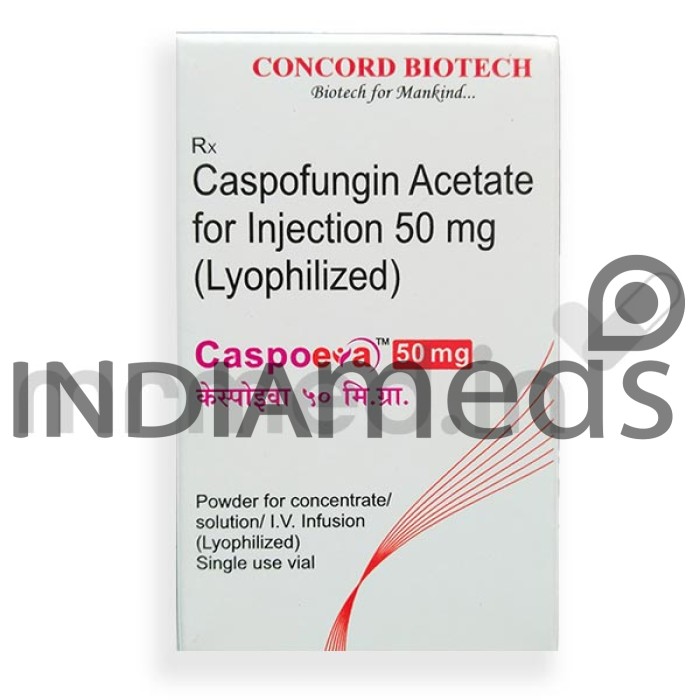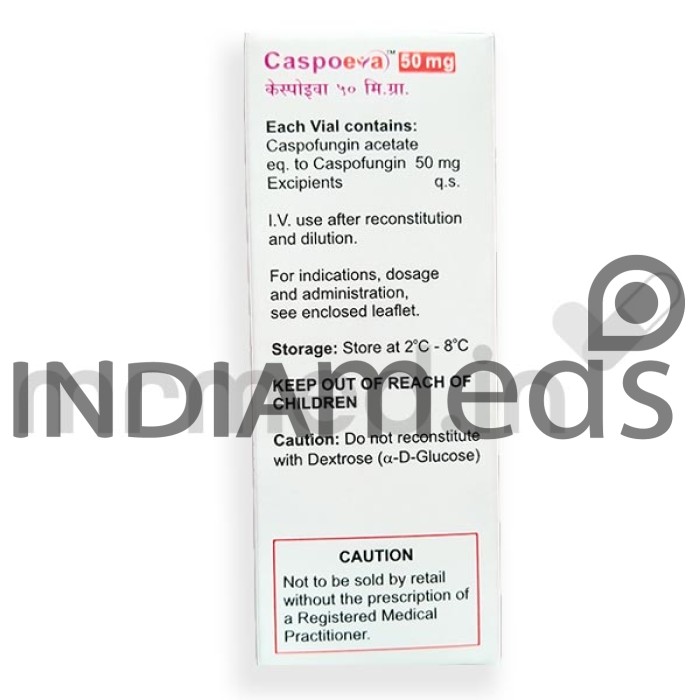
Caspoeva 50mg Injection
Uses:
- Fungal infections in febrile neutropenic individuals;
- Esophageal candidiasis;
- Invasive aspergillosis;
- Candidemia.
Therapeutic Effects:
- Caspofungin works by weakening fungal cells and inhibiting their growth, preventing the spread of infection. This allows the body's natural defenses to effectively eliminate the infection.
Interaction with other drugs:
- Inform your doctor about any prescribed medications, over-the-counter medicines, nutritional or vitamin supplements, and herbal products you take or have taken before the treatment. Certain medications may interact with Caspoeva 50mg injection and can cause undesirable side effects.
Safety Advices:
- Pregnancy: Limited information is available on the use of Caspoeva 50mg injection during pregnancy. Notify your healthcare professional if you are pregnant or planning to have a baby.
- Breastfeeding: Taking Caspoeva 50mg injection while breastfeeding is unsafe because it may affect the child. Inform your doctor if you are breastfeeding.
- Lungs: It is unknown whether Caspoeva 50mg injection is safe for patients with lung problems. Notify your physician if you have any lung disease before starting the treatment.
- Liver: Caspoeva 50mg injection should be used cautiously in patients with liver conditions. Before starting the treatment, inform your physician about pre-existing liver conditions.
- Alcohol: It is not known whether it is safe to consume alcohol with Caspoeva 50mg injection. Please consult your doctor.
- Driving: Based on available information, Caspoeva 50mg injection does not appear to impair your ability to drive or operate machinery.
Side Effects:
- Serious: Hypersensitivity, an abnormal rise in liver enzymes.
- Common: Inflammation of the vein, itching at the injection site, headache, shortness of breath, nausea, vomiting, and diarrhea, joint pain, chills, fever, decreased albumin (type of protein), low potassium levels in blood, decreased hemoglobin (oxygen-carrying substance), decreased white blood cells.
How to consume Caspoeva 50mg Injection:
- Caspoeva 50mg injection will be administered to you by a healthcare professional in a hospital setting. It is usually administered in a vein (intravenous). Your doctor will decide the dose, route of administration, and frequency based on your disease condition and other factors.
Storage:
- Keep out of sight and reach of pets and children.
- Do not freeze the medicine.
- Store at 2°C - 8°C.
- Always check the expiry date before consuming it.
FAQ:
Q 1. How to manage the side effects of Caspoeva 50mg injection? To manage the side effects of Caspoeva 50mg injection, follow the prescribed dosage, and report side effects promptly. Stay hydrated, and avoid alcohol. Maintain a healthy lifestyle, and attend follow-up appointments.
Q 2. When to stop Caspoeva 50mg injection before surgery? The decision to discontinue Caspoeva 50mg injection before surgery should be made by a healthcare professional, taking into consideration various factors such as the type of surgery, the patient's underlying medical condition, and the risk of bleeding. So, consult your doctor for more information.
Q 3. Can you take Caspoeva 50mg injection when pregnant? Consult your medical professional regarding the use of Caspoeva 50mg injection during pregnancy. The potential benefits and risks should be carefully assessed. Your doctor will suggest taking this medicine only if it's necessary.
Q 4. What are the side effects of Caspoeva 50mg injection? Common side effects of Caspoeva 50mg injection include inflammation of the vein, itching at the injection site, headache, shortness of breath, nausea, vomiting, and diarrhea, joint pain, chills, fever, decreased albumin (type of protein), low potassium levels in blood, decreased hemoglobin (oxygen-carrying substance), decreased white blood cells. It is crucial to consult your doctor for any concerns or persistent side effects.
Fact Box:
- Molecule Name: Caspofungin Acetate
- Therapeutic class: Antifungal agent
- Pharmacological class: Echinocandins
- Indications:
- Fungal infections in febrile neutropenic individuals;
- Esophageal candidiasis;
- Invasive aspergillosis;
- Candidemia.