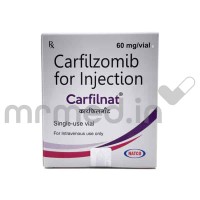
Inhibits the 26S proteasome and blocks a major cell signaling pathway, making cancer cells sensitive to chemotherapy.
Enhances the build-up of a protein and minimizes cancer cell growth and multiplication.
Administration:
Administered intravenously in the vein or subcutaneously under the skin.
Should be given by a qualified healthcare professional experienced in the use of cytotoxic medications.
Do not self-administer.
Safety Advice:
Pregnancy: unsafe to use during pregnancy unless clearly necessary. Both women of childbearing potential and men must use an effective contraception method during and three months after treatment.
Breastfeeding: unsafe to use during breastfeeding. Discuss with your physician when it is safe to restart breastfeeding after this treatment.
Lungs: consult your physician if you have any lung diseases.
Liver: inform your physician before starting this treatment if you have Hepatitis infection or liver disease.
Alcohol: it is unsafe to consume alcohol with this medication.
Driving: avoid driving or using machinery if you experience side effects like fainting, dizziness, tiredness, or blurred vision.
Side Effects:
Serious: muscle cramps, confusion, visual disturbances, seizures, headache, breathlessness, swelling of feet, changes in heartbeat, high blood pressure, fainting and tiredness, cough and chest tightness.
Common: pneumonia, loss of appetite, sensitivity, tingling and burning sensation of the skin, nausea, vomiting, diarrhea, mouth ulcers, constipation, muscle and bone pain, hair loss, fever, reduction in blood cell count, reduced kidney function, shivering, infections, itching and redness, dehydration, stomach problems, difficulty sleeping, anxiety, mood swings, depressed mood.
Interaction with Other Drugs:
Inform your doctor about any prescribed medications, over-the-counter medications, nutritional or vitamin supplements, and herbal products that you are taking or have taken before the treatment.
Storage:
Store unopened vials in the refrigerator (2 °C – 8 °C) and protect them from light.
Keep this medicine out of sight and reach of children.
FAQs:
What is Bortezest 2mg Injection used for?
Bortezest 2mg Injection is mainly indicated to treat mantle cell lymphoma and multiple myeloma.
Can I drive while taking Bortezest 2mg Injection?
Bortezest 2mg Injection may cause dizziness, tiredness, fainting, or blurred vision. Hence, avoid driving and operating heavy machines while this Injection.
How is Bortezest 2mg Injection given?
Bortezest 2mg Injection is administered intravenously in your vein or subcutaneously under the skin by a doctor in a medical facility.
Is it safe to handle Bortezest 2mg Injection while pregnant?
No, Pregnant women should not handle Bortezest 2mg Injection as it contains cytotoxic agents. Using gloves and protective clothing is recommended to prevent skin contact.
What class of chemo is Bortezest 2mg Injection?
Bortezest 2mg Injection is a targeted therapy that belongs to the class of medicines called proteasome inhibitors.
Can I take Bortezest 2mg Injection when I am pregnant?
Avoid taking Bortezest 2mg Injection if you are pregnant, as it can cause harmful effects on the unborn baby. Females should use effective birth control methods during treatment and at least three months after treatment.
I am suffering from a Hepatitis infection. Can I take Bortezest 2mg Injection?
Bortezest 2mg Injection should not be used in patients with hepatitis infection because they might have a repeated attack of hepatitis, which can be fatal. If you have a history of hepatitis B infection, your doctor will carefully check you for signs of active hepatitis B.