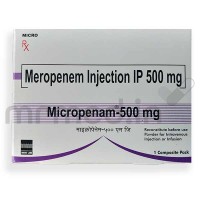
Used to treat Acute Lymphoblastic Leukemia (ALL), a type of blood cancer.
Effective in treating children with ALL, who have a higher remission rate and overall survival when included in their treatment plan.
Uses:
Acute Lymphoblastic Leukemia.
Non-Hodgkin's Lymphoma.
Therapeutic Effects:
Breaks down the amino acid asparagine in the body.
Cancer cells require asparagine to grow and divide, and cannot produce their own.
By breaking down asparagine, the medication can effectively "starve" cancer cells of this essential nutrient, slowing their growth and promoting cancer cell death.
Interaction with other drugs:
Inform your healthcare provider about all the medicines you take, including prescription, over-the-counter, nutritional or vitamin supplements, and herbal products.
Certain medications may interact with Asviia 3750IU/5ML Injection and reduce effectiveness by causing undesirable side effects.
Storage:
Store in a refrigerator at 2–8°C.
Do not freeze.
Protected from light.
Keep it in its original packaging until it is ready to be used.
Keep out of the reach of children and pets.
Should be disposed of properly.
Administration:
Typically administered by a healthcare provider as an intravenous (IV) injection in a clinical setting.
Dosage and frequency of infusions will vary depending on the patient's medical condition, age, weight, and other factors.
Safety Advices:
Pregnancy: consult your doctor if you are pregnant or planning to get pregnant before taking this medicine.
Breastfeeding: consult a doctor before taking this medication if you are a breastfeeding mother.
Lungs: patients should consult their doctor if they have any pre-existing lung disease before taking this medication.
Liver: inform your healthcare provider if you have any liver problems or diseases.
Alcohol: avoid consuming alcohol while taking Asviia 3750IU/5ML Injection.
Driving: patients receiving Asviia 3750IU/5ML Injection should be advised to avoid driving or operating machinery if they experience side effects such as fatigue, dizziness, or blurred vision.
Side Effects:
Serious: Anaphylaxis (severe allergic reaction), Thrombosis (blood clots), Hemorrhage (bleeding), Tumor Lysis Syndrome (a potentially life-threatening condition due to the breakdown of cancer cells), Acute pancreatitis (inflammation of the pancreas), Hepatotoxicity (liver damage or failure), Neurotoxicity (damage to the nervous system), Hypersensitivity reactions (allergic reactions, including anaphylaxis), Renal failure (kidney damage or failure).
Common: Nausea, Vomiting, Diarrhea, Fatigue, Loss of appetite, Headache, Fever or chills, Muscle or joint pain, Rash or itching, Swelling or redness at the injection site.
FAQs:
Q 1. Can I take Asviia 3750IU/5ML Injection if I have diabetes? Patients with diabetes may still be able to use Asviia 3750IU/5ML Injection, but caution is needed as the medication can cause glucose intolerance and hyperglycemia.
Q 2. Can I use Asviia 3750IU/5ML Injection if I have kidney disease? Patients with kidney disease may still be able to use Asviia 3750IU/5ML Injection, but caution is needed as the medication can cause kidney toxicity.
Q 3. How will Asviia 3750IU/5ML Injection affect my blood? Asviia 3750IU/5ML Injection can cause blood clotting disorders, leading to serious or life-threatening bleeding or clotting.
Q 4. Can Asviia 3750IU/5ML Injection be given to patients with a history of pancreatitis? It depends on the severity and cause of pancreatitis. Patients with a history of pancreatitis may be at increased risk of experiencing pancreatitis while using Asviia 3750IU/5ML Injection.
Q 5. How long does the effect of Asviia 3750IU/5ML Injection last? The effect of Asviia 3750IU/5ML Injection may last several weeks, depending on the patient's medical condition and response to treatment.