




entry_sticker_popular
 0
0
entry_sticker_popular
 0
0
 0
0
 0
0
 0
0
 0
0
 0
0
 0
0
 0
0
 0
0
 0
0
 0
0
 0
0
 0
0
 0
0
 0
0
 0
0
 0
0
 0
0
 0
0
 0
0
 0
0
-228x228-product_list.jpg "Hepaglan 25000IU Injection") 0
0
 0
0
Anticoagulants are medications used to prevent the formation of blood clots, which can potentially lead to serious health issues such as stroke or heart attack. They are a crucial part of treatment for many cardiovascular conditions and are widely prescribed to manage and reduce the risk of thrombotic events.
Description
Anticoagulants work by interfering with the coagulation cascade, the complex process by which blood clots form. They are often prescribed for individuals with atrial fibrillation, deep vein thrombosis, pulmonary embolism, and other conditions that increase the risk of clot formation.
Key Features
- Mechanism of Action: Different types of anticoagulants work in various ways, such as inhibiting vitamin K-dependent clotting factors or directly targeting specific factors in the coagulation cascade.
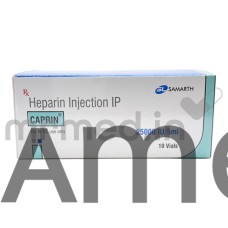
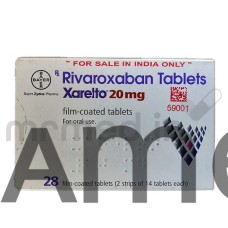
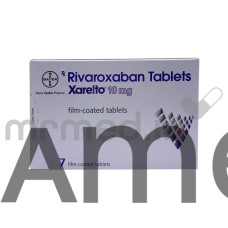
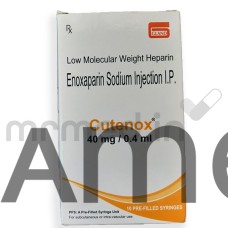
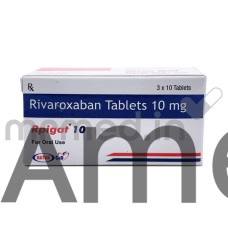
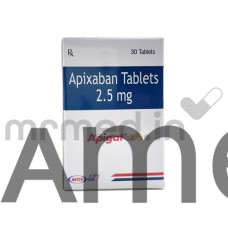
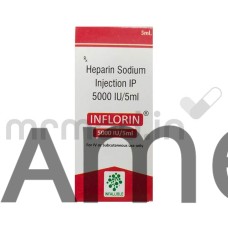
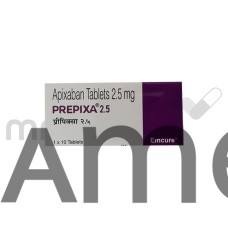
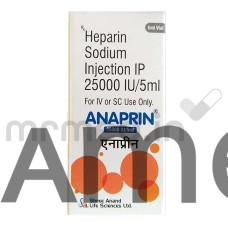
- Types of Anticoagulants: Commonly used anticoagulants include warfarin, heparin, and newer oral anticoagulants like rivaroxaban and apixaban.
- Administration: Anticoagulants can be administered orally, intravenously, or subcutaneously, depending on the specific medication and the patient's needs.
- Monitoring and Management: Regular monitoring of blood coagulation parameters, such as INR (International Normalized Ratio), is essential for patients on anticoagulant therapy to ensure efficacy and safety.
- Side Effects: Common side effects include bleeding, which can be managed through careful dosage adjustment and regular monitoring.
- Patient Education: Proper patient education on the correct dosage, potential side effects, and the importance of regular medical check-ups is vital for the successful management of anticoagulant therapy.