




Popular

 0
0
Popular
 0
0
Popular
 0
0
Popular
 0
0
Popular
 0
0
Popular
 0
0
Popular
 0
0
Popular
 0
0
Popular
 0
0
Popular
 0
0
Popular
 0
0
Popular
-228x228-product_list.png "Relibeta 30mcg Injection") 0
0
Popular
 0
0
Popular
 0
0
Popular
 0
0
Popular
 0
0
Popular
 0
0
Popular
 0
0
Popular
 0
0
Popular
 0
0
Popular
 0
0
Popular
 0
0
Popular
 0
0
 0
0
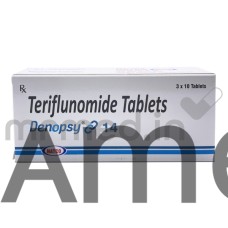
Multiple Sclerosis (MS) is a chronic autoimmune disease that affects the central nervous system, impairing communication between the brain and the body. Symptoms can include vision problems, muscle weakness, and coordination difficulties.
Understanding Multiple Sclerosis
- Definition and Diagnosis: MS is diagnosed through a combination of neurological exams, medical history review, and imaging tests like MRI.
- Types of MS: There are several forms of MS, including relapsing-remitting, primary progressive, secondary progressive, and progressive-relapsing.
- Causes and Risk Factors: The exact cause of MS is unknown, but genetic and environmental factors are believed to play a role.
Treatment Options
- Medications: Various medications are available to manage symptoms and slow disease progression.
- Physical Therapy: Helps maintain muscle strength and coordination.
- Lifestyle Changes: A balanced diet, regular exercise, and stress management can help improve quality of life.
Support and Resources
- Support Groups: Connecting with others who understand the challenges of living with MS can be beneficial.
- Healthcare Professionals: Regular check-ins with neurologists and other specialists are essential for managing the disease.
- Online Resources: Numerous websites and forums provide information and support for people with MS.