




Popular
 0
0
Popular
 0
0
Popular
 0
0
Popular
 0
0
Popular
 0
0
Popular
 0
0
Popular
 0
0
 0
0
 0
0
 0
0
 0
0
 0
0
 0
0
 0
0
 0
0
 0
0
 0
0
-228x228-product_list.jpg "Intaglob IM 16.5% Injection 2ml") 0
0
 0
0
 0
0
 0
0
 0
0
 0
0
 0
0
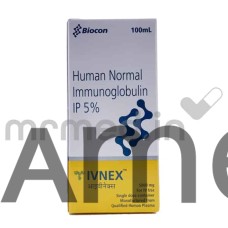
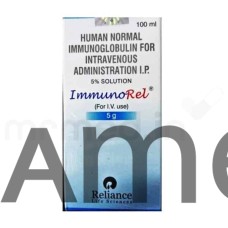
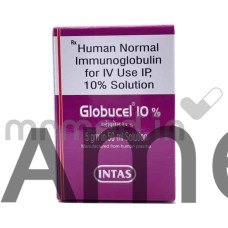
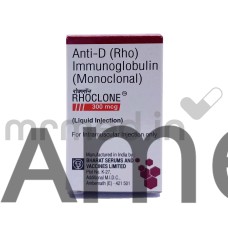
Immunoglobulins are proteins produced by the immune system to neutralize pathogens and protect the body from infections. They play a crucial role in recognizing and eliminating foreign substances, such as bacteria and viruses.
Role of Immunoglobulins
- Identify and bind to antigens
- Activate other components of the immune system
- Neutralize toxins
- Promote phagocytosis
Types of Immunoglobulins
- IgG: most abundant and involved in secondary immune responses
- IgM: first antibody produced in response to an infection
- IgA: found in mucosal secretions, providing protection at body surfaces
- IgE: associated with allergic reactions and parasite infections
- IgD: role is less well understood but is present on the surface of B cells